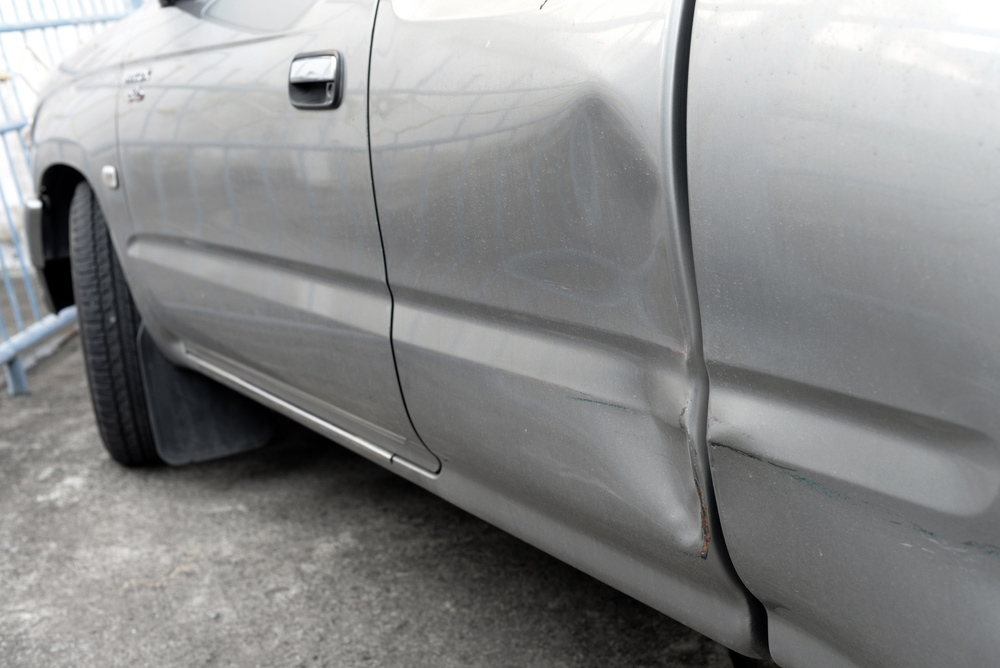
A collision changes a vehicle in ways that aren’t always visible from the outside. What looks like a dented panel or a cracked bumper can involve underlying structural damage, compromised safety systems and paintwork that no longer protects the metal beneath it. Understanding what actually happens during a professional repair helps vehicle owners make informed decisions about where they take their car and what to expect from the process. For anyone researching panel beaters in Albion, knowing the steps involved from assessment through to final finish gives a much clearer picture of what quality repair work looks like in practice.
The Initial Assessment Sets the Standard for Everything That Follows
Before any physical work begins, a thorough assessment of the vehicle is carried out to identify the full extent of the damage. This goes beyond what’s visible to the naked eye. Experienced technicians inspect the structural components beneath the body panels, check alignment across the vehicle’s frame and assess whether safety systems such as airbags or crumple zones have been affected by the impact.
A complete assessment typically covers:
- Visual inspection of all external panels, glass and trim for surface and structural damage.
- Mechanical checks on components that may have shifted or been compromised during the collision.
- Documentation of damage for insurance purposes, ensuring the repair scope is accurately captured before work begins.
Skipping or rushing this stage is where many lower-quality repairs go wrong. A repair built on an incomplete assessment is always going to fall short.
Structural Repairs Come Before Anything Else
If the collision has affected the vehicle’s frame or structural components, this is addressed before any panel work or paintwork is touched. Modern vehicles are designed with specific structural integrity requirements that directly affect how they perform in a subsequent collision. Repairing or replacing compromised structural components to manufacturer specifications is not optional; it’s the foundation of a safe repair.
Structural work at this stage can involve:
- Using hydraulic straightening equipment and jigs to return the vehicle’s frame to its correct dimensions and alignment.
- Replacing sections of the structural frame where damage is too severe to be safely straightened.
- Verifying all measurements against manufacturer data to confirm the vehicle meets its original safety specifications before proceeding.
A vehicle that looks repaired on the outside but has unresolved structural issues is not a safely repaired vehicle.
Panel Beating & Metalwork Restore the Vehicle’s Shape
Once the structural work is confirmed, attention moves to the body panels. Panel beating is a skilled trade that involves reshaping damaged metal to match the vehicle’s original contours as closely as possible. Depending on the extent of the damage, panels may be repaired in place or removed and replaced entirely.
The metalwork process typically involves:
- Using specialised hand tools and dollies to work the metal back into shape from behind the panel.
- Applying body filler where minor surface imperfections remain after the metal has been reshaped, then sanding to achieve a smooth, even surface.
- Replacing panels that are too damaged to be effectively repaired, ensuring the fit and finish matches the surrounding bodywork.
The quality of this work determines how well the finished vehicle looks and how long the repair holds up over time.
Paintwork Requires Preparation as Much as Application
A professional paint finish is far more involved than applying colour to a panel. The preparation work that happens before the spray gun is picked up determines whether the final finish looks seamless or shows obvious signs of repair. For vehicle owners seeking smash repairs in Albion, surface preparation, priming and colour matching are all critical steps that experienced technicians carry out with precision.
Good paintwork at a professional level includes:
- Sanding and priming repaired surfaces to create an even base that allows the topcoat to bond correctly.
- Using computerised colour matching technology to identify the exact paint formulation for the vehicle’s original finish.
- Applying clear coat over the colour layers to protect the finish and give it the depth and gloss consistent with the surrounding panels.
A paint job that fades, peels or shows colour variation within a year is a sign that one or more of these preparation steps was compromised.
Reassembly & Fit Checks Bring the Vehicle Back Together
With the structural, panel and paint work complete, the vehicle goes through a reassembly process where all removed components are refitted and checked for correct function and alignment. This includes trim pieces, lights, glass, bumpers and any mechanical components that were removed to access the repair area. Anyone who has worked with panel beaters in Albion will know that this stage is where attention to detail separates a thorough repair from a rushed one.
Reassembly at a professional standard means:
- Checking panel gaps and alignment across all reassembled components to ensure they meet manufacturer tolerances.
- Testing all electrical systems, lights and sensors that may have been disturbed during the repair process.
- Verifying that any safety systems affected by the collision, including airbag modules and seatbelt pre-tensioners, are correctly reinstated.
A vehicle that comes out of reassembly with uneven panel gaps or warning lights on the dashboard has not been fully repaired.
Safety Compliance & Quality Checks Close Out the Repair
Before a repaired vehicle is returned to its owner, a final round of quality and safety checks is carried out. This stage confirms that the repair meets both the shop’s internal standards and the relevant Australian safety requirements. Choosing a reputable auto body shop in Albion means this final stage is treated as seriously as the work that came before it, not as an afterthought.
Final checks at this stage cover:
- A full visual inspection of all repaired and reinstated components under workshop lighting to identify any surface imperfections.
- A road test to confirm the vehicle handles correctly and that no mechanical or structural issues remain.
- A review of all documentation to ensure the repair record accurately reflects the work carried out and the parts used.
This final stage is what separates a repair that’s been done properly from one that’s simply been done quickly.
Ready to Get Your Vehicle Back to Its Best?
We at Advanced Auto Accident Repair Centre work with car owners, fleet operators and commercial vehicle operators across the area to deliver repairs that meet the standard the vehicle came with from the factory. Our team understands that a collision is stressful enough without having to second-guess whether the repair has been done properly. As experienced panel beaters in Albion, we carry out every job with the attention to detail, the correct equipment and the quality checks that a safe, lasting repair requires. If your vehicle has been in a collision and you want it restored correctly, get in touch with our team to arrange an assessment.