The moment after a collision, even a minor one, your brain is running through a dozen things at once: are you okay, what just happened, what do you do next? Once the immediate shock settles, most drivers reach for their phone and search for car accident repair near me. That instinct is the right one, but the search results alone won’t tell you what to actually expect from the repair process, what your rights are under Queensland insurance law, or how to avoid decisions you might regret later. This guide covers all of it, from the first steps at the scene through to picking up your repaired vehicle, so you go into the process informed and in control.
Car Accident Repair Near Me: What to Do First
Before you even think about booking a repair, the first hour after a collision sets the tone for everything that follows. What you do at the scene, and immediately after, directly affects your insurance claim, your repair timeline and your options for choosing a repairer.
The steps that matter most in those early moments:
- Move your vehicle off the road if it is safe and drivable, then switch on your hazard lights
- Call 000 if anyone is injured or the vehicle is blocking traffic
- Exchange names, licence numbers, registration details and insurance information with all parties involved
- Take photos of all vehicles from multiple angles, the road conditions, any visible damage and the surrounding area
- Report the incident to your insurer as soon as possible, even if you have not yet decided whether to lodge a formal claim
- If your car is not drivable, arrange a tow to a repairer of your choosing rather than leaving that decision to the tow truck operator
Can I Choose My Own Repairer After a Car Accident?
This is one of the most common questions drivers ask, and the answer in Queensland is yes. Under Australian insurance law, you have the right to choose your own licensed repairer. Your insurer cannot legally require you to use their preferred repairer network, although they may recommend one and attempt to steer you in that direction.
What this right means in practice:
- You can nominate any licensed, qualified repair centre to carry out the work on your vehicle
- Your insurer must accept a quote from your chosen repairer, provided it is reasonable and the repairer is appropriately accredited
- Choosing your own repairer does not void your policy or affect your claim
- It is worth confirming your repairer is familiar with lodging directly with insurers, as this simplifies the process significantly
- Not sure who to trust with the job? Our guide on how to choose the best smash repair shop in Albion walks through the checks that matter
Do I Have to Use the Repairer My Insurer Recommends?
No. While insurers often present their preferred repairers as the default option, that framing does not mean they are the only option. Preferred repairer networks benefit the insurer through negotiated pricing, which does not always translate to the best outcome for your vehicle.
Understanding what the preferred repairer model actually means:
- Preferred repairers are contracted to meet insurer cost targets, which can influence repair decisions such as panel replacement versus panel repair
- Your insurer may offer a lifetime repair guarantee when you use their network, but many independent repairers offer equivalent guarantees on their own work
- If your insurer applies pressure to use a specific repairer, ask them in writing to confirm that your right to choose has been explained to you
- The choose your own repairer QLD provision exists precisely because insurers and repairers have separate interests in every claim
How Long Does Car Accident Repair Take?
Turnaround time is one of the most variable parts of the process, and any repairer who gives you a firm completion date before they have done a full assessment is guessing. The honest answer depends on the extent of the damage, parts availability and whether structural work is involved.
Realistic timeframes across different repair types:
- Minor cosmetic damage such as shallow dents, light scuffs or small panel repairs: typically two to five business days
- Moderate damage involving panel replacement, bumper work or boot/bonnet repairs: commonly one to two weeks, depending on parts lead times
- Structural or chassis damage, including post-collision alignment issues: two to four weeks or longer, particularly if manufacturer-specific parts need to be ordered
- ADAS (advanced driver assistance system) recalibration after airbag deployment or sensor-area repairs: adds time but is essential for safety and cannot be skipped
From Quote to Hand-Back: What Actually Happens During the Repair
A lot happens between dropping your car off and collecting it again, and most drivers never see any of it. Understanding the sequence helps you set realistic expectations and ask the right questions along the way. You can also see our repair services to understand what is typically covered under an insurance claim.
The typical repair process from start to finish:
- Initial assessment: the repairer inspects the vehicle and documents all damage, including hidden structural issues that are not visible from the outside
- Quote and insurer approval: the quote is submitted to your insurer for authorisation before any work begins; supplementary damage identified mid-repair may require a revised approval
- Panel repair or replacement: damaged panels are either repaired using techniques such as panel beating or replaced where the damage is beyond repair
- Chassis and structural alignment: where required, the vehicle’s frame is measured and corrected against manufacturer tolerances using specialised equipment
- Paint matching and refinishing: factory-spec colour matching is carried out using computerised paint systems to ensure the repaired areas blend seamlessly with the rest of the vehicle
- Quality inspection and ADAS checks: before hand-back, safety systems are checked and recalibrated if sensors, cameras or radar units were in the area of impact
How Much Does Car Accident Repair Cost, and Who Pays?
Cost is often the thing drivers worry about most, but in most insurance claims the out-of-pocket amount is limited to your policy excess. Where it gets more complicated is when you are deciding whether to claim at all, particularly for minor damage.
The key cost considerations for collision repairs in Brisbane:
- If you are not at fault and the other driver is insured, their insurer should cover the repair cost; if they are uninsured, your own comprehensive policy covers the repair minus your excess
- For at-fault or single-vehicle incidents, your comprehensive policy applies and you pay your nominated excess
- A cash settlement from your insurer is sometimes offered as an alternative to a repair; this can be worth considering for older vehicles, but it is not always the best outcome for roadworthiness
- For very minor cosmetic damage, such as a small parking dent with no paint break, paintless dent removal is often the faster, cheaper fix and may not be worth claiming on insurance at all given the impact on your premium at renewal
What Does “Restored to Pre-Accident Condition” Actually Mean?
This phrase appears in most insurance policies but is rarely explained in plain terms. It does not just mean the car looks the same. It means the vehicle has been returned to the structural integrity, safety performance and cosmetic appearance it had before the collision.
What a genuine pre-accident restoration involves:
- Structural and chassis alignment verified against the manufacturer’s original specifications, not just a visual assessment
- Panel gaps, shut lines and body alignment checked to ensure doors, bonnet and boot close correctly
- Factory-spec paint matching using computerised mixing systems, applied in a controlled spray environment to achieve a finish that blends across panels
- ADAS recalibration where cameras, radar sensors or lidar units are in the repair zone, including front and rear bumper areas where sensors are commonly mounted
- A final road test and quality check before the vehicle is released
Is It Ever Better Not to Claim?
Lodging a claim is not always the right call, and a good repairer will be honest with you about that rather than steering you towards a repair simply to generate work. There are situations where handling the cost privately makes more financial sense.
Scenarios where not claiming may be worth considering:
- The repair cost is close to or below your excess, meaning the claim would cost you as much or more than paying privately
- Your renewal is coming up and a fault claim could increase your premium enough over two to three years to outweigh the repair benefit
- The damage is cosmetic only, does not affect safety and the vehicle is older with a lower market value
- The other party is willing to settle privately and the damage is clearly minor; if you go this route, always get a written agreement and full contact details before agreeing to anything
Get Your Vehicle Assessed by Our Team
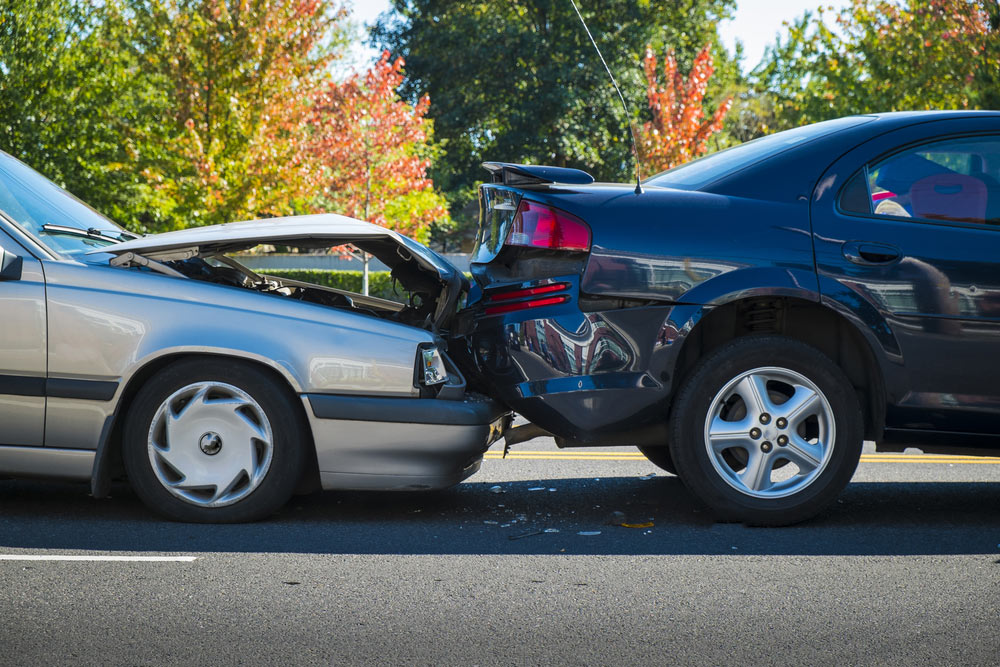
We at Advanced Auto Accident Repairs Centre have been working through collision repairs and insurance claims for Brisbane-north drivers for over 25 years. Whether your car has come off the road with a rear-ender, a side-swipe or more serious structural damage, our Albion workshop handles everything from initial assessment and insurer liaison right through to final quality check and hand-back.
If you have just had a collision and need car accident repair in Albion or anywhere across Brisbane’s north, we make the process as straightforward as possible. We deal directly with all major insurers, so you do not have to manage back-and-forth communications on your own. We also arrange towing for vehicles that are not drivable and can assist with ADAS recalibration as part of the repair scope. Give us a call or stop in to book a free assessment. Our Albion centre is easy to get to from across Brisbane’s northern suburbs, and the sooner your vehicle is assessed after a collision, the sooner we can return it to the condition it was in before the accident. If you are still weighing up your options after searching for car accident repair near me, we are happy to answer your questions before you commit to anything.
Frequently Asked Questions
Do I have to tell my insurer which repairer I am using?
Yes, you should notify your insurer of your repairer choice when you lodge the claim, but you are not required to accept their recommendation. Under Australian insurance practice, you have the right to nominate any licensed repairer.
What if my car is not safe to drive after the accident?
If the vehicle is not drivable, do not attempt to drive it. Arrange a tow directly to your chosen repair centre. Your insurer or the repairer can often assist with towing arrangements, and the cost may be covered under your policy.
Will my car be safe to drive after a structural repair?
A properly completed structural repair, verified against manufacturer tolerances and including any required ADAS recalibration, should return the vehicle to its pre-accident safety performance. Always ask your repairer to confirm that a structural check and ADAS assessment were included in the scope of work.
How do I know if my car needs structural repairs after a collision?
Not all structural damage is visible from the outside. A rear-ender that looks like panel damage can move the impact through the chassis. A full assessment on a vehicle hoist is the only reliable way to confirm whether structural alignment has been affected.
Can I get a hire car while mine is being repaired?
This depends on your policy. Many comprehensive policies include a hire car benefit while your vehicle is undergoing an insured repair. Check your product disclosure statement or ask your insurer directly when you lodge the claim.
What is ADAS recalibration and do I really need it?
ADAS stands for advanced driver assistance systems, which includes lane departure warnings, autonomous emergency braking, blind spot monitoring and forward collision detection. These systems rely on cameras and sensors that are often mounted in bumpers, windscreens and mirrors. If any of those areas are repaired or replaced, the sensors must be recalibrated to maintain accurate performance. Skipping this step can result in systems that fail to trigger correctly in an emergency.