
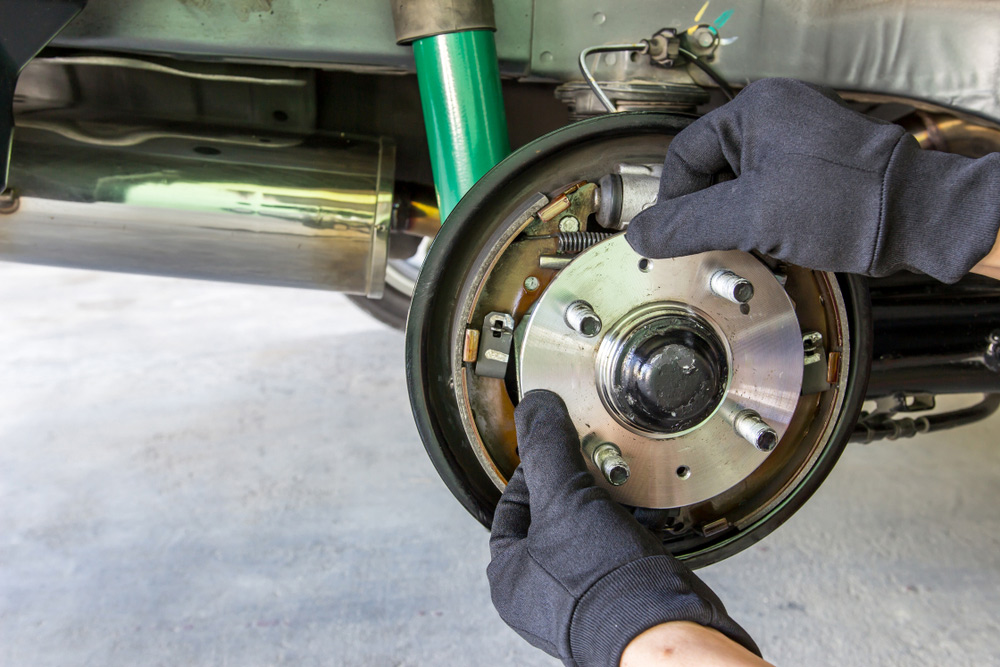
There’s a moment most drivers recognise—the subtle change in how the brake pedal feels, a faint squeal when slowing down or a longer stopping distance than usual. These early warning signs often go unnoticed or are put off for later, but they point to one of the most critical systems in any vehicle. Brake performance isn’t something to leave to chance, and this is where professional servicing plays a vital role in keeping vehicles safe, responsive and roadworthy.
Recognising the Early Signs of Brake Wear
Professional mechanics begin by understanding the symptoms reported by the driver and pairing that with a physical inspection. Brake issues rarely appear suddenly; they develop over time and often present subtle clues.
Common signs identified during initial assessment include:
- Squeaking, grinding or metallic noises when braking
- A soft, spongy or overly firm brake pedal
- Vibrations or pulsing felt through the pedal or steering wheel
- Increased stopping distance
- Warning lights on the dashboard
By identifying these indicators early, mechanics can prevent further wear to related components and reduce the risk of more complex repairs.
Conducting a Comprehensive Brake Inspection
A thorough brake inspection goes beyond a quick visual check. Mechanics follow a structured process to evaluate each component of the braking system, ensuring nothing is overlooked.
This typically involves:
- Removing wheels to access brake assemblies
- Measuring brake pad thickness & rotor condition
- Inspecting callipers for leaks or uneven movement
- Checking brake lines & hoses for wear or damage
- Assessing brake fluid condition & level
Panel beaters and mechanics often work together when brake issues are linked to accident damage, ensuring both structural and mechanical aspects are addressed correctly.
Replacing Brake Pads & Shoes
Brake pads and shoes are designed to wear down over time, making them one of the most commonly replaced components during servicing. Professionals ensure replacements are completed with precision to maintain consistent braking performance.
The process includes:
- Removing worn pads or shoes safely
- Cleaning & preparing mounting surfaces
- Installing new components to manufacturer specifications
- Applying correct lubrication to prevent noise & uneven wear
- Reassembling & testing for proper alignment
Using the right materials and ensuring proper installation helps extend the lifespan of both pads and other braking components.
Machining or Replacing Brake Rotors & Drums
Brake rotors and drums play a key role in how effectively a vehicle slows down. Over time, they can become warped, scored or uneven, leading to vibrations and reduced braking efficiency.
Professionals determine whether machining or replacement is required by:
- Measuring rotor thickness against safety standards
- Checking for heat spots, cracks or surface irregularities
- Assessing whether machining will restore a safe, even surface
Where replacement is necessary, new components are fitted and balanced to ensure smooth braking performance.
Servicing Brake Fluid & Hydraulic Systems
Brake systems rely on hydraulic pressure, making brake fluid a critical element. Over time, fluid can absorb moisture, reducing its effectiveness and potentially leading to corrosion within the system.
A professional brake fluid service involves:
- Testing fluid quality & moisture content
- Flushing out old fluid from the system
- Refilling with the correct grade of brake fluid
- Bleeding the system to remove air bubbles
- Inspecting master cylinders & hydraulic components
Maintaining clean, high-quality brake fluid ensures consistent pedal feel and reliable stopping power.
Diagnosing & Repairing ABS Components
Modern vehicles are equipped with Anti-lock Braking Systems (ABS), which help maintain control during sudden braking. When faults occur, they require specialised diagnostic tools and expertise.
Mechanics handle ABS issues by:
- Using diagnostic scanners to identify fault codes
- Inspecting sensors & wiring connections
- Testing control modules & hydraulic units
- Replacing faulty components where required
Proper ABS function is essential for safety, particularly in emergency braking situations or on slippery surfaces.
Ensuring Proper Brake Adjustment & Calibration
After repairs or replacements, brakes must be carefully adjusted and calibrated. Even minor misalignments can affect performance, leading to uneven wear or reduced effectiveness.
This stage includes:
- Adjusting brake callipers & handbrake mechanisms
- Ensuring even pressure distribution across all wheels
- Testing pedal responsiveness & travel
- Verifying correct operation under different conditions
Attention to detail during this phase ensures the braking system operates smoothly and predictably.
Final Testing & Roadworthiness Checks
Before a vehicle is returned to the driver, professionals conduct a series of tests to confirm everything is functioning as expected. This final step is essential for safety and compliance.
Testing typically involves:
- Controlled road tests to assess braking response
- Checking for noises, vibrations or pulling
- Confirming ABS & warning systems operate correctly
- Re-inspecting components after initial use
Panel beaters may also be involved if prior damage has affected alignment or structural elements related to braking performance.
Get Your Brakes Checked Before It Becomes a Problem
If you’ve noticed changes in your braking performance or it’s been a while since your last service, it’s worth having your vehicle checked by experienced professionals. We at Advanced Auto Accident Repairs Centre provide reliable brake repairs and servicing, along with comprehensive auto repair in Albion for all vehicle types. As trusted panel beaters in Albion, we understand how mechanical and structural systems work together to keep you safe on the road. Get in touch with our team today to book an inspection or discuss your vehicle’s needs.